
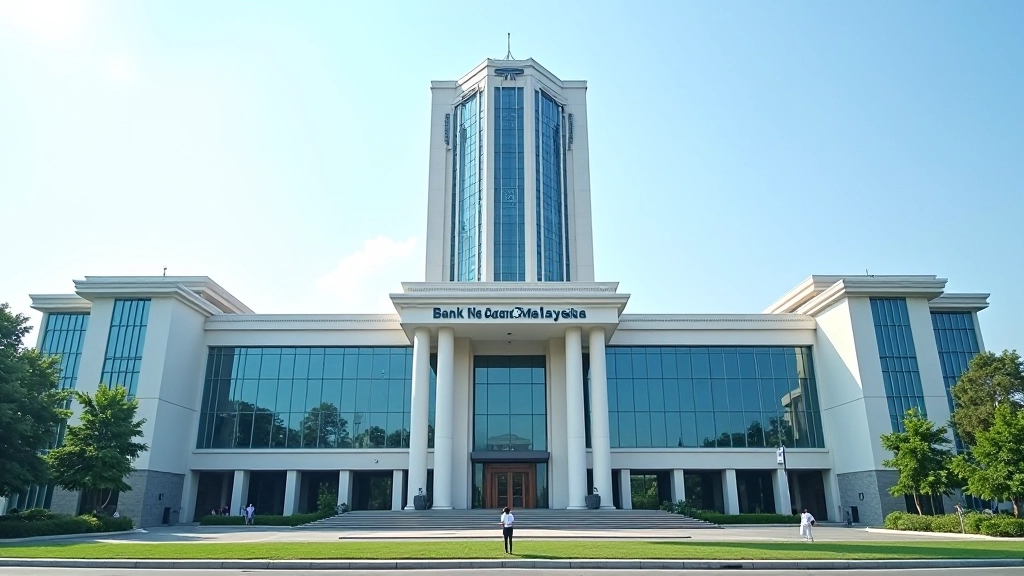
Bank Negara’s Monetary Policy Framework Explained
How the central bank uses interest rate decisions to manage inflation and support economic growth in Malaysia.
Read AnalysisDeep analysis of GDP growth patterns, monetary policy decisions, inflation trends, and employment market dynamics shaping the Malaysian economy.

We’re focused on providing clear, actionable insights into Malaysia’s economic performance.
Malaysia’s economy is complex — there’s no shortage of data, but understanding what it actually means? That’s where we come in. We don’t just report numbers. We analyze trends, explain policy decisions, and connect the dots between inflation rates, employment figures, and real-world impact on households and businesses.
Our analysis covers the key drivers of Malaysia’s economic health: Bank Negara’s monetary policy decisions, GDP growth across sectors, inflation monitoring, and employment market dynamics. Whether you’re an investor, student, policy maker, or simply curious about the economy, we’ve got the insights you need.

Detailed examination of Malaysia’s major economic components and their interactions.
Understanding interest rate decisions, inflation control measures, and how central bank policies affect borrowing costs, investment decisions, and overall economic stability in Malaysia.
Tracking Malaysia’s gross domestic product trends across sectors — manufacturing, services, agriculture. We analyze growth drivers and economic performance indicators year over year.
Real-time analysis of inflation trends and their impact on purchasing power. We explain what price increases mean for households, wages, and cost of living across Malaysia.
Comprehensive examination of Malaysia’s job market — unemployment rates, labor force participation, wage trends, and sectoral employment shifts affecting economic participation.
Analysis of how government and central bank policies translate into real economic outcomes, examining trade-offs and long-term implications for Malaysia’s development.
Malaysia’s economy doesn’t operate in isolation. We examine international trade, global market conditions, and external factors influencing domestic economic performance.
In-depth analysis and detailed explanations of Malaysia’s key economic indicators.
How the central bank uses interest rate decisions to manage inflation and support economic growth in Malaysia.
Read Analysis
Analyzing recent GDP patterns, sector contributions, and economic factors influencing Malaysia’s growth trajectory.
Read Analysis
Understanding inflation rates, their measurement, impact on purchasing power, and implications for Malaysian households.
Read AnalysisGot questions about Malaysia’s economy? We’ve got answers.
When Bank Negara raises interest rates, borrowing becomes more expensive, which slows spending and investment. This cooling effect helps reduce inflation. It’s a balancing act — too high, and you slow economic growth; too low, and inflation can spiral out of control.
Malaysia’s growth varies by year and sector. We’re competitive in manufacturing and services, but external factors — global trade conditions, commodity prices — significantly impact our trajectory. Our detailed analysis breaks down these comparisons.
Inflation directly affects your purchasing power. If inflation rises faster than your wages, you’re effectively earning less. We explain how inflation impacts everyday costs — groceries, rent, transportation — and what it means for your finances.
Employment is a leading indicator of economic health. Rising unemployment suggests the economy is weakening; job growth indicates strength. We analyze which sectors are hiring, wage trends, and what this means for Malaysia’s economic future.
We publish regular analysis on major economic releases — GDP data, inflation reports, employment figures. Subscribe to our resources or visit regularly to stay informed about Malaysia’s economic trends and policy decisions.
Absolutely. We’re focused on evidence-based, well-researched analysis that’s accessible to students, academics, policy makers, and anyone wanting to understand Malaysia’s economy. Our content is detailed but explained clearly.
Our commitment to clarity, accuracy, and practical insights.
We don’t speculate. All analysis is grounded in official data from Bank Negara Malaysia, Department of Statistics, and international economic databases. You’re getting facts, not opinions.
Economic concepts can be dense. We break down complex indicators into understandable language, explaining what the numbers mean and why they matter for Malaysia’s economy and your financial decisions.
We don’t cherry-pick data. Our analysis examines GDP trends, monetary policy, inflation, employment, and their interconnections. You get the full picture of Malaysia’s economic landscape.
Malaysia’s economy changes constantly. We’re committed to updating our analysis as new data releases happen, so you’ve always got the latest insights on economic trends and policy impacts.
Key metrics that define Malaysia’s economic position and performance.
~USD 11,400
Upper-middle-income country status
Services, Manufacturing, Agriculture
Diversified economic base
High
Global market sensitive
Southeast Asian Leader
3rd largest economy in ASEAN
Malaysia’s economy reflects a middle-income country transitioning toward high-income status. We’re deeply integrated into global supply chains, which means international economic conditions significantly impact domestic growth. Understanding these dynamics is crucial for grasping Malaysia’s economic trajectory and the rationale behind Bank Negara’s policy decisions.
We’ve got comprehensive analysis of Malaysia’s economic indicators, detailed explanations of Bank Negara’s policy decisions, and insights into how global trends affect the Malaysian economy.